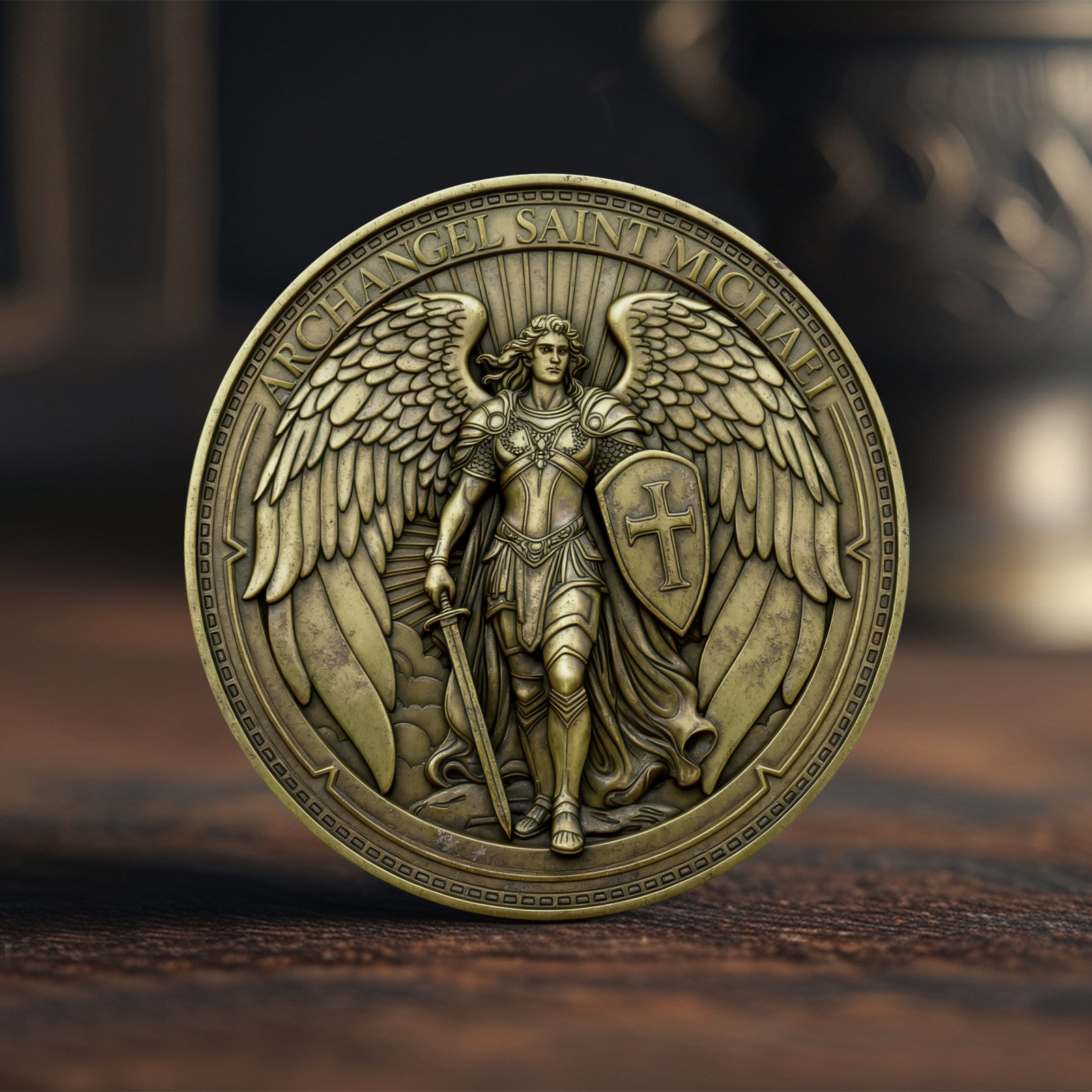

From Pocket Change to Purpose: The Enduring Appeal of Collectible, Challenge, and Sobriety Coins
Coins are small, ordinary objects with an extraordinary ability to carry memory. A worn penny can summon a childhood afternoon; a polished silver dollar can open a window onto history; a simple brass token can represent a promise kept one day at a time. That emotional range helps explain why collectible coins, challenge coins, and sobriety coins occupy such a meaningful place in modern collecting culture. They are not merely metal discs. They are archives, badges, and milestones you can hold in your hand.
Collectible Coins: History in Your Palm
Collectible coins appeal to the historian, the aesthete, and the hunter all at once. A collector may chase a key date, a minting error, or a design that captures a vanished era. The pursuit rewards patience: learning grading standards, studying mintmarks, and comparing surfaces under light can turn a casual hobby into a disciplined practice.
What makes coin collecting endure is its accessibility. Beginners can start with pocket change or a single meaningful date. Advanced collectors can spend years assembling a type set or specializing in a country, denomination, or historical period. The same hobby stretches comfortably across budgets and temperaments.
- Historical value: coins document rulers, economies, and artistic trends.
- Condition and rarity: grading and scarcity shape long-term interest.
- Personal connection: inherited coins often become family heirlooms.
Challenge Coins: Symbols of Belonging
Challenge coins carry a different kind of power. Traditionally associated with military units, they have spread into fire departments, police forces, sports teams, corporations, and volunteer groups. A challenge coin is less about face value and more about identity: it says, “I was there,” “I belong,” or “I carry this story with me.”
A challenge coin is often a small monument to service, camaraderie, and the moments that bind a group together.
Collectors are drawn to the craftsmanship: deep enamel colors, raised relief, custom edges, and unit insignia. Some coins commemorate deployments, retirements, or anniversaries; others are traded between units or handed out as tokens of gratitude. The best challenge coins feel like portable ceremonies—objects that turn an ordinary handshake into a remembered ritual.
Sobriety Coins: Milestones Made Tangible
Sobriety coins, sometimes called recovery coins or medallions, serve a deeply personal purpose. They mark days, months, and years of sobriety, giving abstract progress a tangible form. For many people in recovery, a coin is not a trophy but a tool: something to hold during difficult moments, something to remind them why the next hour matters.
These coins are often simple and sincere. A sobriety coin may feature a serenity prayer, a Roman numeral, a triangle, or a phrase such as “one day at a time.” Their value lies not in metal content but in meaning. A coin carried in a pocket can become worn and softened—evidence of daily commitment.
Collectors of sobriety coins often focus on design, wording, and the organizations or meetings that issued them. Some pieces commemorate anniversaries; others are given as encouragement. The collecting impulse here is less about completion and more about witness: each coin tells a story of endurance, hope, and support.
Where the Three Worlds Meet
Although collectible coins, challenge coins, and sobriety coins come from different traditions, they overlap in important ways. All three rely on symbolism. All three gain value through context. And all three invite collectors to slow down and look closely.
- Story first: provenance and meaning often matter more than price.
- Design matters: relief, color, typography, and finish create appeal.
- Personal curation: meaningful collections reflect identity and memory.
A collector might display military challenge coins beside historical silver coins, or keep a sobriety medallion in a small tray with a lucky pocket piece. The categories are separate, yet they speak the same language: remembrance, belonging, and progress.
Display, Care, and Collecting with Purpose
Good storage protects both surfaces and stories. Collectible coins deserve acid-free holders and stable environments; challenge coins can be arranged in display cases or velvet trays; sobriety coins often live best where they can be seen or carried. Handle coins by the edges, avoid harsh polishing, and record what you know about each piece—where it came from, who gave it to you, and why it matters.
In the end, the most rewarding collections are not the largest or the most expensive. They are the ones with a point of view: a focus, a feeling, a story. Whether you are hunting a rare date, trading a challenge coin with a friend, or holding a sobriety milestone after a hard-won year, these small objects do something remarkable. They turn time, service, and recovery into something you can carry—and pass on.